Embrace Calm: Essential Tips for Reducing Stress and Anxiety
Take control of stress and anxiety with these essential tips. Prioritize self-care by ensuring adequate sleep, nutrition, and exercise. Practice mindfulness and meditation to promote relaxation and mental clarity. Establish a daily routine to create a sense of structure and stability. Set realistic goals and break them into manageable tasks to avoid overwhelm. Limit exposure to stressors, including news and social media, to maintain a positive mindset. Foster social connections and communicate openly about your feelings with trusted individuals. Learn and utilize stress management techniques such as deep breathing and progressive muscle relaxation. Seek professional help if stress and anxiety persist, and consider therapy or counseling. Embrace hobbies and activities that bring joy and relaxation to your life.

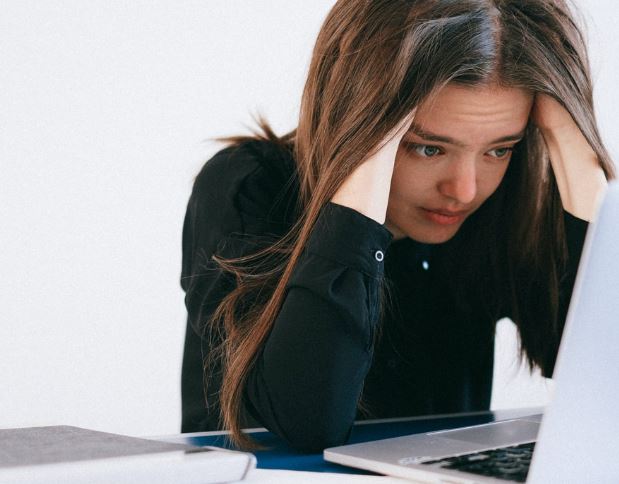
Practice Deep Breathing Exercises:
Practice deep breathing exercises to calm the nervous system. Inhale deeply through your nose, hold for a few seconds, and exhale slowly through your mouth. Repeat several times to reduce stress and promote relaxation.
- Practice deep breathing exercises to calm the nervous system.
- Inhale deeply through your nose, hold for a few seconds, and exhale slowly through your mouth.
- Repeat several times to reduce stress and promote relaxation.
Engage in Regular Physical Activity:
Engage in regular physical activity to release endorphins and alleviate stress. Whether it’s a brisk walk, a workout, or yoga, exercise has proven benefits for both physical and mental well-being.
- Engage in regular physical activity to release endorphins and alleviate stress.
- Choose activities you enjoy, such as walking, working out, or practicing yoga.
- Exercise is a powerful tool for improving both physical and mental well-being.
Practice Mindfulness and Meditation:
Practice mindfulness and meditation to promote relaxation and reduce anxiety. Set aside time each day for mindful breathing or guided meditation to center your mind and foster a sense of calm.
- Practice mindfulness and meditation to promote relaxation and reduce anxiety.
- Set aside dedicated time each day for mindful breathing or guided meditation.
- Mindfulness techniques can help center your mind and create a sense of calm.
Establish a Regular Sleep Routine:
Establish a regular sleep routine to ensure quality rest. Create a calming bedtime ritual, limit screen time before sleep, and aim for consistent sleep and wake times to support overall well-being.
- Establish a regular sleep routine to ensure quality rest.
- Create a calming bedtime ritual and limit screen time before sleep.
- Aim for consistent sleep and wake times to support overall well-being.
Set Realistic Goals:
Set realistic goals to manage expectations and reduce stress. Break larger tasks into smaller, achievable goals, allowing for a sense of accomplishment without feeling overwhelmed.
- Set realistic goals to manage expectations and reduce stress.
- Break larger tasks into smaller, achievable goals.
- A sense of accomplishment from meeting goals can positively impact your overall well-being.
Connect with Supportive Individuals:
Connect with supportive individuals to share your feelings and experiences. Talking to friends, family, or a mental health professional can provide valuable support and perspective.
- Connect with supportive individuals to share your feelings and experiences.
- Talking to friends, family, or a mental health professional can provide valuable support and perspective.
- Building a support network is essential for managing stress and anxiety.
Limit Stimulant Intake:
Limit stimulant intake such as caffeine and nicotine, as they can contribute to increased anxiety. Opt for alternatives like herbal tea or water to stay hydrated without the added stimulant effects.
- Limit stimulant intake such as caffeine and nicotine, as they can contribute to increased anxiety.
- Opt for alternatives like herbal tea or water to stay hydrated without the added stimulant effects.
- Reducing stimulant intake supports a more balanced and calm state of mind.
Take Breaks and Practice Self-Care:
Take breaks and practice self-care to recharge. Whether it’s a short walk, reading a book, or indulging in a hobby, carving out time for yourself is crucial for reducing stress and maintaining well-being.
- Take breaks and practice self-care to recharge.
- Engage in activities you enjoy, such as a short walk, reading, or pursuing a hobby.
- Regular self-care contributes to a balanced and resilient mindset.
Seek Professional Support:
Seek professional support if stress and anxiety persist. A mental health professional can offer guidance, coping strategies, and support tailored to your individual needs.
- Seek professional support if stress and anxiety persist.
- A mental health professional can offer guidance, coping strategies, and support tailored to your individual needs.
- Reaching out for help is a proactive step toward managing stress and anxiety effectively.
Advantages of Following Stress and Anxiety Reduction Tips:
- Enhanced overall well-being through prioritized self-care habits.
- Improved mental clarity and relaxation with mindfulness practices.
- Maximized productivity and focus through structured daily routines.
- Reduced overwhelm by setting and achieving realistic goals.
- Promotion of a positive and balanced lifestyle for stress and anxiety management.
Disadvantages of Ignoring Stress and Anxiety Reduction Tips:
- Increased risk of physical and mental health challenges due to neglect of self-care.
- Challenges in maintaining focus and productivity without stress management.
- Missed opportunities for personal growth and fulfillment without goal setting.
- Higher likelihood of persistent stress and anxiety impacting daily life.
- Potential negative impact on overall quality of life and mental health.
Things to Avoid for Successful Stress and Anxiety Reduction:
Avoid neglecting self-care; prioritize your physical and mental well-being. Minimize exposure to unnecessary stressors; manage your media consumption. Refrain from setting unrealistic goals; break tasks into manageable steps. Avoid isolating yourself; foster social connections and open communication. Stay clear of delaying professional help if needed; seek support early. Consult with mental health professionals or explore stress reduction resources for specific questions or concerns.