Soar to New Heights: Essential Flyboarding Tips for Beginners
Embark on your flyboarding adventure with these essential tips for beginners. Start in calm and shallow waters to build confidence. Maintain a relaxed posture and distribute your weight evenly. Use slight movements to control your balance and direction. Keep your gaze forward and maintain a steady grip on the flyboard handles. Practice controlled descents and gradual ascents. Prioritize safety by wearing a life jacket and helmet. Follow the guidance of experienced instructors and enjoy the thrill of flyboarding responsibly.

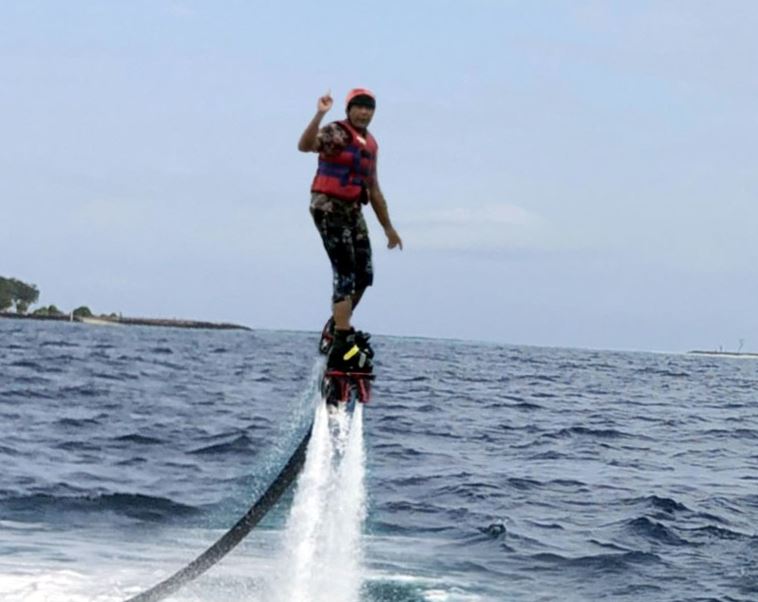
Wear the Right Gear:
Prioritize safety by wearing the appropriate gear, including a life jacket, helmet, and the flyboard itself. Ensure the equipment fits snugly for a secure and comfortable experience.
- Prioritize safety by wearing the appropriate gear, including a life jacket, helmet, and the flyboard itself.
- Ensure the equipment fits snugly for a secure and comfortable experience.
- Follow all safety guidelines provided by the instructor or rental facility.
Receive Proper Training:
Before attempting to flyboard, undergo thorough training with a certified instructor. Learn the basics of balance, steering, and safety procedures to enhance your skills.
- Before attempting to flyboard, undergo thorough training with a certified instructor.
- Learn the basics of balance, steering, and safety procedures to enhance your skills.
- Ask questions and seek clarification during the training session.
Start in Shallow Waters:
Begin your flyboarding adventure in shallow waters to build confidence and become familiar with the equipment. Gradually progress to deeper areas as you feel more comfortable.
- Begin your flyboarding adventure in shallow waters to build confidence and become familiar with the equipment.
- Gradually progress to deeper areas as you feel more comfortable and confident.
- Practice take-offs and landings in controlled environments.
Maintain Proper Body Position:
Maintain a proper body position by keeping your feet parallel to the water and your body upright. Distribute your weight evenly to achieve better balance and control.
- Maintain a proper body position by keeping your feet parallel to the water and your body upright.
- Distribute your weight evenly to achieve better balance and control.
- Practice adjusting your body position to steer and maneuver effectively.
Master Hovering Before Tricks:
Focus on mastering the art of hovering before attempting advanced tricks. Develop a stable and controlled hover to build a strong foundation for more challenging maneuvers.
- Focus on mastering the art of hovering before attempting advanced tricks.
- Develop a stable and controlled hover to build a strong foundation for more challenging maneuvers.
- Gradually progress to tricks once you feel confident in your hovering skills.
Use Gentle Movements:
Utilize gentle movements when steering and changing directions. Avoid abrupt or sharp movements to maintain stability on the flyboard and reduce the risk of falling.
- Utilize gentle movements when steering and changing directions.
- Avoid abrupt or sharp movements to maintain stability on the flyboard.
- Practice smooth transitions between movements for better control.
Stay Relaxed:
Stay relaxed while flyboarding to enhance your balance and control. Tension in your body can affect stability, so focus on maintaining a calm and composed posture.
- Stay relaxed while flyboarding to enhance your balance and control.
- Tension in your body can affect stability, so focus on maintaining a calm and composed posture.
- Take breaks if needed to prevent fatigue and stress.
Communicate with the Instructor:
Maintain open communication with your instructor. Inform them of your comfort level, ask for guidance, and seek feedback to continually improve your flyboarding skills.
- Maintain open communication with your instructor.
- Inform them of your comfort level, ask for guidance, and seek feedback.
- Address any concerns or questions you may have during the session.
Be Mindful of Weather Conditions:
Be mindful of weather conditions before and during your flyboarding experience. Avoid strong winds, storms, or choppy waters that may impact your safety and performance.
- Be mindful of weather conditions before and during your flyboarding experience.
- Avoid strong winds, storms, or choppy waters that may impact your safety and performance.
- Reschedule your session if weather conditions are unfavorable.
Have Fun and Enjoy the Experience:
Most importantly, have fun and enjoy the exhilarating experience of flyboarding. Embrace the challenge, celebrate your progress, and savor the unique sensation of hovering above the water.
- Most importantly, have fun and enjoy the exhilarating experience of flyboarding.
- Embrace the challenge, celebrate your progress, and savor the unique sensation of hovering above the water.
- Share the excitement with friends and capture memorable moments.
Advantages of Following Flyboarding Tips:
- Enhanced safety and confidence for beginners.
- Improved control and balance while flyboarding.
- Maximized enjoyment of the thrilling flyboarding experience.
- Reduced risk of accidents or injuries in the water.
- Promotion of responsible and enjoyable water sports practices.
Disadvantages of Ignoring Flyboarding Tips:
- Increased risk of accidents or falls during flyboarding.
- Challenges in maintaining control and balance on the flyboard.
- Reduced enjoyment and confidence in the flyboarding experience.
- Higher likelihood of injuries or incidents in the water.
- Potential negative impact on the overall flyboarding adventure.
Things to Avoid for Safe Flyboarding:
Avoid attempting advanced maneuvers without proper training. Minimize sudden and jerky movements on the flyboard. Refrain from neglecting safety gear such as life jackets and helmets. Avoid flyboarding in crowded or unsafe water conditions. Follow the instructions and guidelines provided by experienced instructors. Consult with professionals for any concerns or questions regarding your flyboarding experience.