







Loading tools... Please wait.
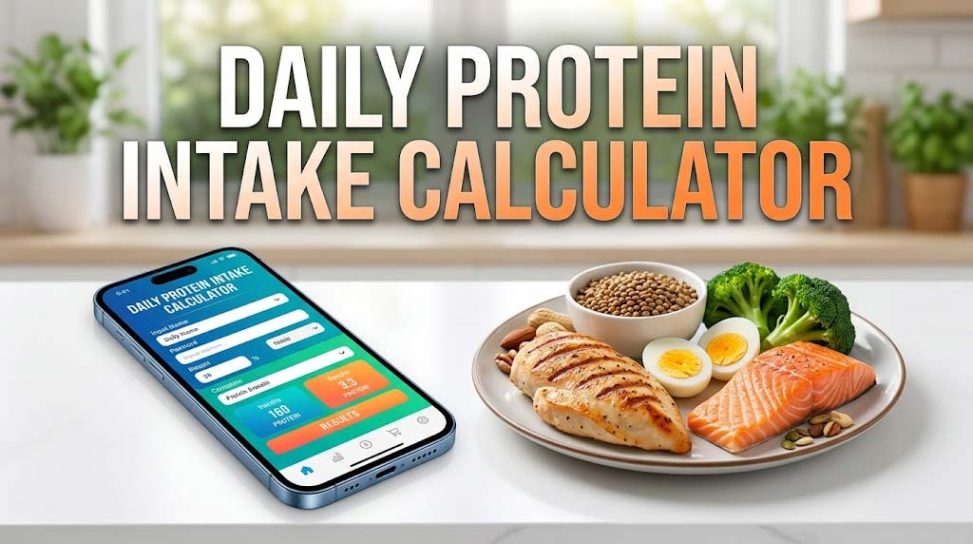
A Daily Protein Intake Calculator is a useful tool for estimating how much protein a person may need each day based on factors such as body weight, age, activity level, and fitness goals. Protein is an essential nutrient that supports muscle maintenance, tissue repair, immune function, enzymes, hormones, and many other processes in the body. Protein requirements can vary considerably from one person to another, so a personalized estimate can be more useful than relying on a single number for everyone. This calculator is intended as a general nutrition guide and should not replace individualized advice from a qualified healthcare professional or registered dietitian.
What Is Protein?
Protein is one of the three major macronutrients, along with carbohydrates and fats. It is made up of amino acids that the body uses to build and maintain muscles, organs, skin, enzymes, hormones, and other tissues.
Some amino acids can be produced by the body, while others are considered essential because they must be obtained from food. You can learn more about protein and its biological functions from Wikipedia’s overview of protein.
What Is a Daily Protein Intake Calculator?
A Daily Protein Intake Calculator estimates an individual’s daily protein requirement using selected personal information. Depending on the calculator, inputs may include body weight, age, sex, activity level, and whether the person is trying to maintain weight, build muscle, lose weight, or support athletic performance.
The result is usually presented in grams of protein per day. Because protein needs differ according to health status and lifestyle, the result should be considered an estimate rather than a strict medical requirement.
Why Is Protein Important?
Protein has many important functions throughout the body. It contributes to the growth and repair of tissues and is especially important for maintaining muscle mass.
Protein also plays a role in producing enzymes, hormones, antibodies, and other molecules involved in normal body functions. Adequate protein intake is therefore important across different stages of life.
How Much Protein Do You Need?
Protein requirements depend on several factors. For healthy adults, a commonly used baseline recommendation is approximately 0.8 grams of protein per kilogram of body weight per day, but people who are physically active, older, pregnant, breastfeeding, or following particular dietary or medical plans may need different amounts.
The appropriate intake should therefore be considered in the context of the individual’s overall diet, health, and goals. More protein is not automatically better for everyone.
Protein Intake by Activity Level
People who exercise regularly may have higher protein needs than sedentary adults because training creates additional demands for muscle repair and adaptation. Strength training and endurance activities can both affect nutritional requirements.
| Activity or Goal | General Protein Consideration |
|---|---|
| Sedentary Adult | Often around the basic adult requirement |
| Regular Exercise | May require more protein than a sedentary person |
| Strength Training | Higher intake may support muscle repair and growth |
| Endurance Training | Protein needs may increase with training volume |
| Older Adults | Individual needs may be higher to help preserve muscle |
These are general nutritional considerations, not personalized medical recommendations. Individual protein needs can vary substantially.
How Is Protein Intake Calculated?
Many protein calculators estimate daily protein needs by multiplying body weight in kilograms by an appropriate protein factor. For example:
Daily Protein Intake = Body Weight (kg) × Protein Requirement (g/kg)
If a person weighs 70 kg and uses a target of 1.2 grams per kilogram, the estimated daily intake would be 84 grams. The appropriate multiplier depends on factors such as activity level, age, goals, and health status.
Protein for Muscle Growth
Protein is important for muscle protein synthesis, particularly when combined with resistance training. People who want to increase muscle mass often pay closer attention to both their total protein intake and how it is distributed throughout the day.
However, muscle growth also depends on adequate calories, resistance training, recovery, sleep, genetics, and other nutritional factors. Simply increasing protein without appropriate training and overall nutrition does not guarantee greater muscle growth.
Protein During Weight Loss
Protein can be particularly useful during a weight-loss program because it contributes to satiety and helps support lean tissue when combined with appropriate nutrition and physical activity.
The ideal protein intake during weight loss can vary depending on body size, activity level, age, and the overall calorie deficit. Extreme dieting or very high protein intake is not necessary for everyone.
Protein for Active People
Regular exercise increases the body’s need for recovery and tissue repair. Athletes and highly active individuals may therefore benefit from a higher protein intake than the basic adult recommendation.
The timing of protein can also be considered, but total daily intake and overall dietary quality are generally more important than focusing on a single post-workout meal.
Animal and Plant Protein Sources
Protein can come from both animal and plant foods. Eggs, fish, poultry, lean meat, milk, yogurt, and cheese are examples of animal-based protein sources.
Plant-based options include beans, lentils, peas, soy foods, nuts, seeds, and whole grains. A varied diet can provide a broad range of amino acids and other important nutrients.
Complete and Incomplete Proteins
Some protein foods contain all nine essential amino acids in amounts that support human needs and are often described as complete proteins. Examples include eggs, dairy, meat, fish, and soy.
Many individual plant foods have lower amounts of one or more essential amino acids, but eating a varied diet throughout the day can help provide adequate amounts of all essential amino acids.
How to Use a Daily Protein Intake Calculator
- Enter your current body weight.
- Select the appropriate measurement unit.
- Enter your age and sex if requested.
- Select your activity level.
- Choose your primary goal, such as maintenance, muscle growth, or weight management.
- Review the estimated daily protein requirement in grams.
- Use the estimate as a guide when planning your overall diet.
Protein and Body Composition
Body weight alone does not show how much of the body consists of muscle, fat, bone, and other tissues. This is one reason protein recommendations may be more meaningful when considered alongside body composition and activity level.
The Body Fat Percentage Calculator can provide an estimate of body fat percentage and may offer additional context when tracking fitness and body-composition changes.
Protein and Hemoglobin
Protein and amino acids are involved in many biological processes, including the production of important proteins in the blood. However, protein intake alone does not determine a person’s hemoglobin level.
If you are reviewing a blood test, the Hemoglobin Level Range Calculator can help explain hemoglobin values in general terms. An abnormal hemoglobin result should be evaluated based on the complete blood count and other relevant clinical information.
Protein and Kidney Health
Protein intake may need special consideration for people with kidney disease. The appropriate amount can depend on kidney function, the stage of kidney disease, nutritional status, and whether a person is receiving dialysis.
The Kidney Function eGFR Calculator provides general information about estimated glomerular filtration rate. People with reduced kidney function should discuss protein intake with their healthcare professional rather than automatically following a high-protein diet.
Protein for Older Adults
Maintaining muscle mass becomes increasingly important with age. Older adults may need individualized protein and resistance-training strategies to help support muscle strength and physical function.
Protein-rich foods can be included across meals rather than concentrated entirely in one meal. Personal dietary preferences, appetite, digestion, and medical conditions should also be considered.
Protein During Pregnancy and Breastfeeding
Protein requirements change during pregnancy and breastfeeding because the body is supporting fetal growth, maternal tissue changes, and milk production. A general adult protein calculator may therefore not provide the most appropriate recommendation for these stages.
Pregnant and breastfeeding individuals should discuss their nutritional requirements with a healthcare professional or qualified dietitian, especially when following a restricted diet or managing a medical condition.
Benefits of a Daily Protein Intake Calculator
- Personalized Estimate: Provides a protein target based on individual information.
- Fitness Support: Can help active people plan protein intake around training goals.
- Meal Planning: Makes it easier to estimate how much protein to include throughout the day.
- Weight Management: Can provide useful guidance when planning a balanced calorie-controlled diet.
- Easy Tracking: Helps users monitor approximate daily protein consumption.
How to Get Enough Protein From Food
A balanced diet can usually provide protein through a combination of different foods. Including a protein source in each main meal can make it easier to reach a daily target without relying heavily on supplements.
For example, breakfast might include eggs or yogurt, lunch could contain beans, lentils, chicken, or fish, and dinner could include tofu, seafood, poultry, or another protein-rich food. Snacks such as nuts, seeds, or dairy products can also contribute protein.
Do You Need Protein Supplements?
Protein powders and other supplements can be convenient, but they are not automatically necessary. Many people can meet their protein requirements through ordinary foods when their overall diet is well planned.
Supplements may be useful in certain situations, such as when someone has difficulty consuming enough protein through food. Anyone with a medical condition, food allergy, pregnancy, or specific dietary restriction should consider professional advice before using supplements regularly.
Can You Eat Too Much Protein?
More protein is not always better. Very high protein intake may displace other important nutrients and foods from the diet, and people with certain health conditions may need specific protein limits.
A balanced eating pattern should provide appropriate amounts of protein, carbohydrates, healthy fats, vitamins, minerals, fiber, and fluids. Individual needs should guide the final target.
Important Limitations
A Daily Protein Intake Calculator provides an estimate and cannot diagnose nutritional deficiencies or determine the ideal diet for a specific medical condition. Protein needs can change because of age, pregnancy, breastfeeding, exercise, illness, kidney function, and other factors.
If you have kidney disease, liver disease, diabetes, a digestive disorder, are pregnant or breastfeeding, or have another medical condition that affects nutrition, consult a qualified healthcare professional before making major dietary changes.
Final Thoughts
A Daily Protein Intake Calculator can be a practical starting point for understanding how much protein you may need each day. By considering body weight, activity level, age, and personal goals, it can provide a more useful estimate than a one-size-fits-all recommendation.
Protein is an important part of a balanced diet, but healthy nutrition is about more than one nutrient. Combine an appropriate protein intake with a varied diet, regular physical activity, adequate sleep, and professional guidance when necessary for a sustainable approach to health and fitness.
Leave a Reply