







Loading tools... Please wait.
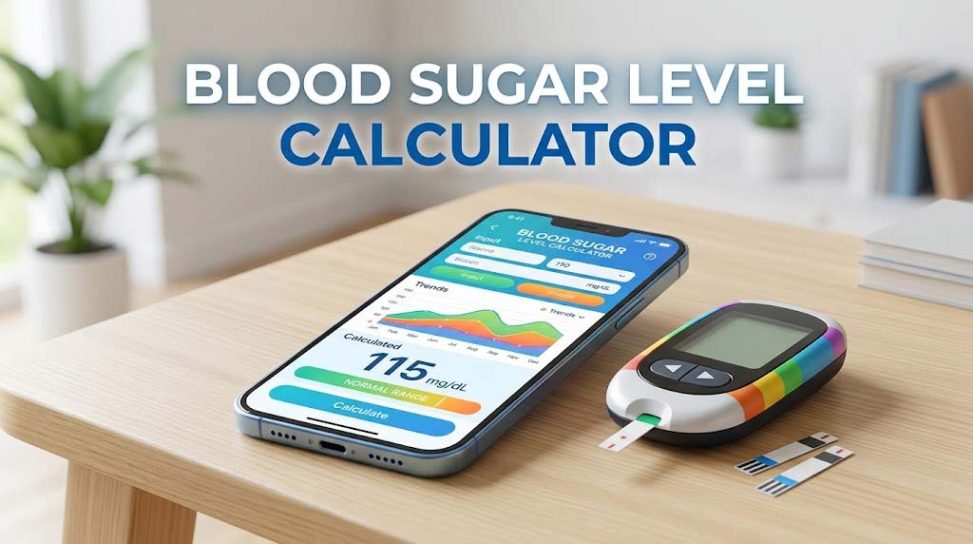
A Blood Sugar Level Calculator is a useful tool for understanding blood glucose readings in relation to common measurement units and reference ranges. Blood glucose is an important indicator of how the body manages sugar and energy. A calculator can make it easier to interpret a reading, especially when blood glucose is reported in either mg/dL or mmol/L.
What Is a Blood Sugar Level Calculator?
A blood sugar level calculator is an online tool designed to help users understand or convert blood glucose measurements. Depending on the tool, it may convert glucose between mg/dL and mmol/L, or provide general context for a particular reading.
Blood glucose levels can vary depending on whether the measurement was taken while fasting, after eating, or at another time. For this reason, a calculator should be used as an informational tool rather than as a method of diagnosing a medical condition.
Why Use a Blood Sugar Calculator?
Blood glucose results can sometimes be difficult to interpret when different measurement systems are used. A calculator can make numerical comparisons easier and help users understand the units appearing on laboratory reports or glucose meters.
- Convert Units: Convert blood glucose values between mg/dL and mmol/L.
- Understand Readings: Put a glucose number into a general reference context.
- Track Results: Keep a consistent record of glucose measurements.
- Compare Reports: Understand results reported using different measurement units.
- Support Discussions: Bring organized glucose information to a healthcare professional.
Blood Sugar Measurement Units
Blood glucose is commonly reported in milligrams per deciliter (mg/dL) in countries such as the United States, while millimoles per liter (mmol/L) are commonly used in many other countries.
The two units express the same glucose concentration in different ways. A conversion can therefore be useful when comparing information from different countries or medical resources.
| Blood Glucose | Approximate Equivalent |
|---|---|
| 70 mg/dL | 3.9 mmol/L |
| 80 mg/dL | 4.4 mmol/L |
| 90 mg/dL | 5.0 mmol/L |
| 100 mg/dL | 5.6 mmol/L |
| 126 mg/dL | 7.0 mmol/L |
| 140 mg/dL | 7.8 mmol/L |
| 200 mg/dL | 11.1 mmol/L |
These are approximate unit conversions, not universal diagnostic thresholds. Clinical interpretation depends on the type of test, timing, symptoms, medical history, and other factors.
How to Convert mg/dL to mmol/L
For glucose, a commonly used conversion is:
mmol/L = mg/dL ÷ 18
For example, a reading of 108 mg/dL is approximately 6.0 mmol/L because 108 divided by 18 equals 6.
To convert in the opposite direction:
mg/dL = mmol/L × 18
These formulas are useful when reading glucose information from international sources or comparing laboratory reports that use different units.
Fasting Blood Sugar
Fasting blood glucose is measured after a period without food. It is commonly used as part of diabetes and prediabetes assessment, although the interpretation should be made using the appropriate clinical criteria.
A single fasting glucose result does not necessarily provide a complete picture of a person’s health. Healthcare professionals may consider repeat testing or other tests before making a diagnosis.
Blood Sugar After Eating
Blood glucose normally changes after eating because carbohydrates are broken down into glucose and absorbed into the bloodstream. The timing of the measurement is therefore important when interpreting a post-meal reading.
A glucose value taken shortly after eating should not automatically be compared with a fasting glucose reference range. Always consider when the measurement was taken.
Random Blood Sugar Testing
A random blood glucose test can be taken at different times of the day without requiring fasting. It may be useful in certain clinical situations, particularly when symptoms or other findings suggest that glucose levels need to be evaluated.
Because random glucose levels are influenced by recent meals and other factors, a healthcare professional should interpret the result in its proper context.
Understanding Blood Glucose and Diabetes
Diabetes is a condition in which blood glucose levels remain too high because the body does not produce enough insulin, does not use insulin effectively, or both. There are several types of diabetes, including type 1, type 2, and gestational diabetes.
The Wikipedia overview of blood sugar levels provides general background about glucose concentration and its role in the body. For medical information and current guidance, it is better to rely on qualified healthcare professionals and established health organizations.
Blood Sugar Is Not the Same as A1C
A blood glucose reading represents the glucose level at a particular moment. An A1C test, on the other hand, provides an estimate of average blood glucose over a longer period by measuring glycated hemoglobin.
These tests answer different questions and should not be treated as interchangeable. A healthcare professional can determine which test is appropriate based on an individual’s circumstances.
Factors That Can Affect Blood Sugar
Blood glucose can change throughout the day for many reasons. Food intake is only one factor; physical activity, stress, illness, medications, sleep, hormones, and other conditions can also influence glucose levels.
- Meals and carbohydrate intake
- Physical activity and exercise
- Stress and emotional changes
- Illness or infection
- Sleep patterns
- Medications
- Hormonal changes
- Hydration and overall health
Blood Sugar and Physical Activity
Physical activity can affect blood glucose because working muscles use energy and can change the body’s glucose requirements. The effect can vary depending on the type and duration of exercise, food intake, medications, and individual health.
People who monitor their glucose because of diabetes should follow the exercise and glucose-management advice provided by their healthcare professional.
For general exercise planning, the Target Heart Rate Calculator can help estimate an exercise heart-rate zone. Heart-rate information, however, does not replace blood glucose monitoring or medical advice.
Hydration and Blood Glucose
Maintaining adequate fluid intake is an important part of general health. Hydration needs vary between individuals depending on factors such as body size, activity, climate, diet, and health conditions.
The Daily Water Intake Calculator can provide a general estimate of daily fluid needs. People with medical conditions that affect fluid balance should follow the recommendations of their healthcare provider.
Blood Sugar and Body Weight
Body weight, diet, physical activity, and metabolic health can be interconnected. For some people, maintaining a healthy weight and following a balanced eating pattern can be part of managing blood glucose.
Energy requirements differ from person to person. The TDEE TDEE Calorie Deficit Calculator can provide an estimate of daily energy expenditure, but calorie calculations should not be used as a substitute for individualized medical or nutritional advice.
How to Track Blood Sugar Readings
If you regularly monitor blood glucose, keeping a consistent record can make patterns easier to identify. Record the date, time, glucose value, measurement unit, and relevant information such as whether the reading was fasting or taken after a meal.
You may also record exercise, medication timing, unusual meals, illness, or other factors that could help explain changes. Sharing a well-organized record with a healthcare professional can make consultations more productive.
When a Blood Sugar Reading Needs Attention
A glucose result that is unexpectedly high or low should be considered in context. If you have diabetes, follow the specific action plan provided by your healthcare team for abnormal readings.
Severe symptoms such as confusion, loss of consciousness, significant weakness, difficulty breathing, or other concerning symptoms require urgent medical attention. Do not rely on an online calculator to manage a medical emergency.
Blood Sugar Calculator for General Education
A calculator can be especially useful for learning how glucose measurements work. It can help students, caregivers, and individuals understand common units and numerical relationships without manually performing every conversion.
However, numerical conversion is different from medical interpretation. A calculator can tell you that two measurements are equivalent, but it cannot determine why your glucose is at a particular level.
Using Reliable Health Information
Blood glucose information available online varies widely in quality. When researching diabetes, testing, symptoms, or treatment, prioritize established medical organizations and qualified healthcare professionals.
The Centers for Disease Control and Prevention (CDC) diabetes resources provide general information about diabetes, risk factors, prevention, and management. This type of authoritative source is more appropriate for health education than relying on an isolated calculator result.
Common Blood Sugar Calculator Mistakes
- Assuming one glucose reading can diagnose diabetes.
- Ignoring whether the test was fasting or taken after eating.
- Confusing mg/dL with mmol/L.
- Comparing results taken under completely different conditions.
- Using an online calculator instead of following a medical treatment plan.
- Ignoring serious symptoms because a numerical result appears acceptable.
- Changing medication based solely on an online calculation.
Tips for Using a Blood Sugar Calculator
- Check the measurement unit before entering a value.
- Confirm whether the calculator is performing conversion or interpretation.
- Record the date and time of your glucose measurement.
- Note whether the reading was fasting, before a meal, or after a meal.
- Keep multiple readings rather than relying on one isolated number.
- Discuss unusual or persistent results with a healthcare professional.
- Use reputable medical sources when researching glucose and diabetes.
Frequently Asked Questions
What is a normal blood sugar level?
There is no single number that applies to every situation. Expected glucose ranges depend on whether the test is fasting, after eating, random, or part of a diagnostic test. A healthcare professional should interpret your result using the appropriate clinical criteria.
How do I convert blood sugar from mg/dL to mmol/L?
For glucose, divide the mg/dL value by approximately 18. For example, 90 mg/dL is approximately 5.0 mmol/L.
What does 100 mg/dL mean?
100 mg/dL is approximately 5.6 mmol/L. Its clinical significance depends on how and when the test was performed and on the applicable diagnostic criteria.
Can a blood sugar calculator diagnose diabetes?
No. A calculator can convert or organize numbers, but it cannot diagnose diabetes. Diagnosis should be based on appropriate clinical testing and evaluation by a qualified healthcare professional.
Why can blood sugar change during the day?
Blood glucose naturally changes in response to food, physical activity, hormones, stress, illness, medications, and other factors. This is why the timing and circumstances of a reading are important.
Should I be concerned about one abnormal reading?
One reading may not provide enough information to determine the cause. If a result is unusually high or low, repeatedly abnormal, or accompanied by concerning symptoms, contact a healthcare professional for appropriate guidance.
Final Thoughts
A Blood Sugar Level Calculator can be a convenient educational tool for converting glucose measurements and understanding the relationship between different units. It can also make it easier to organize and compare blood glucose information.
However, blood sugar interpretation is more complex than a single number. The timing of the test, symptoms, medical history, medications, and type of glucose test all matter. Use calculators for general information, keep accurate records when monitoring glucose, and consult a qualified healthcare professional for diagnosis, treatment, or persistent abnormal results.
Leave a Reply