







Loading tools... Please wait.
A Hemoglobin Level Range Calculator is a useful educational tool for understanding hemoglobin values reported in a blood test. Hemoglobin is an important protein in red blood cells that carries oxygen throughout the body. By entering a hemoglobin result and considering the appropriate reference range, users can get a general idea of whether the value is lower, within, or higher than the expected range. However, a calculator cannot diagnose anemia or another blood disorder because proper interpretation depends on age, sex, pregnancy status, medical history, symptoms, and other blood test results.
What Is Hemoglobin?
Hemoglobin is a protein found inside red blood cells. Its primary role is to transport oxygen from the lungs to tissues throughout the body and help carry carbon dioxide back toward the lungs.
Because hemoglobin is essential for oxygen transport, measuring its concentration is an important part of a complete blood count (CBC). You can learn more about its structure and function from Wikipedia’s overview of hemoglobin.
What Is a Hemoglobin Level Range Calculator?
A Hemoglobin Level Range Calculator helps users compare a reported hemoglobin value with commonly used reference ranges. The result is generally expressed in grams per deciliter (g/dL), although the exact unit may vary depending on the laboratory.
The calculator provides general educational information. The reference range printed on your own laboratory report should always be given priority because ranges can differ between laboratories and patient groups.
Common Hemoglobin Reference Ranges
Hemoglobin ranges can vary according to age, sex, pregnancy, altitude, laboratory methods, and other factors. Common adult reference values are often approximately 12–16 g/dL for women and 13–17 g/dL for men, but these numbers should not be treated as universal diagnostic limits.
| Group | Common Reference Range* |
|---|---|
| Adult Women | Approximately 12–16 g/dL |
| Adult Men | Approximately 13–17 g/dL |
| Children | Range varies considerably by age |
| Pregnancy | Pregnancy-specific ranges may apply |
*These are general educational ranges, not universal diagnostic cutoffs. Always check the reference interval provided by your laboratory.
What Does a Low Hemoglobin Level Mean?
A hemoglobin level below the relevant reference range may be associated with anemia. Anemia is a condition in which the blood does not carry enough oxygen to meet the body’s needs, although the underlying causes can be very different.
Iron deficiency, vitamin deficiencies, blood loss, chronic diseases, inherited blood disorders, and other conditions can contribute to low hemoglobin. A low result therefore needs further evaluation rather than being interpreted from the number alone.
What Does a High Hemoglobin Level Mean?
A hemoglobin level above the laboratory’s reference range can also have different explanations. Dehydration, living at high altitude, smoking, certain medical conditions, and increased red blood cell production can affect hemoglobin levels.
A high result does not automatically indicate a serious disorder. Healthcare professionals may consider other blood count measurements and the person’s overall health before deciding whether further testing is necessary.
How to Use a Hemoglobin Level Range Calculator
- Find the hemoglobin value on your blood test report.
- Check the measurement unit, commonly g/dL.
- Enter your hemoglobin value into the calculator.
- Enter age, sex, or pregnancy status if requested.
- Compare the result with the appropriate reference range.
- Discuss abnormal or persistent results with a qualified healthcare professional.
Hemoglobin and Complete Blood Count
Hemoglobin is usually measured as part of a complete blood count (CBC). A CBC may also include red blood cell count, hematocrit, mean corpuscular volume (MCV), white blood cell count, and platelet count.
Looking at these measurements together can provide more useful information than focusing on hemoglobin alone. The National Heart, Lung, and Blood Institute’s information on anemia provides additional educational information about low red blood cell and hemoglobin levels.
Symptoms Associated With Low Hemoglobin
Some people with mildly low hemoglobin may have few or no noticeable symptoms. When anemia is more significant or develops over time, symptoms can include tiredness, weakness, dizziness, shortness of breath, headaches, or difficulty concentrating.
The severity of symptoms can depend on how low the hemoglobin is, how quickly it changed, and the underlying cause. New or severe symptoms should receive appropriate medical attention.
Iron and Hemoglobin
Iron is an essential component needed to produce healthy hemoglobin. When the body does not have enough iron, it may not be able to produce sufficient hemoglobin and healthy red blood cells.
However, not every case of low hemoglobin is caused by iron deficiency. Taking iron supplements without identifying the cause may be inappropriate, so persistent anemia should be evaluated professionally.
Hemoglobin During Pregnancy
Pregnancy causes natural changes in blood volume and can affect hemoglobin measurements. Because of these physiological changes, pregnancy-specific reference information may be used when evaluating hemoglobin levels.
Pregnant individuals should not compare their result only with a general adult range. A healthcare professional can interpret the result according to the stage of pregnancy and other clinical information.
Why Reference Ranges Are Important
Laboratories establish reference intervals based on their testing methods and the populations they serve. As a result, two laboratories may provide slightly different reference ranges for the same test.
Age and biological factors also matter. Children, pregnant individuals, and people living at high altitudes may require different reference considerations than the general adult population.
Hemoglobin and Overall Health
Hemoglobin is only one measurement used to understand overall health. Nutrition, kidney function, bone marrow activity, chronic disease, blood loss, and other factors can influence red blood cell production and hemoglobin levels.
For this reason, an abnormal hemoglobin value should be considered alongside other laboratory results and the individual’s health history.
Other Useful Health Calculators
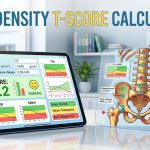
Different calculators can help users understand other health-related measurements. The Bone Density T-score Calculator can help explain the general meaning of a T-score obtained from a bone mineral density test.
The Daily Protein Intake Calculator can provide an estimate of daily protein needs based on factors such as body weight and activity level. For pregnancy-related planning, the Pregnancy Weight Gain Calculator can provide general information about recommended weight-gain ranges during pregnancy.
Benefits of a Hemoglobin Level Range Calculator
- Quick Reference: Helps users review a hemoglobin result against general reference information.
- Easy to Use: Requires only a few basic details in most cases.
- Educational: Helps users understand the role of hemoglobin in oxygen transport.
- Result Tracking: Can help organize hemoglobin values from different blood tests over time.
- Better Questions: Helps users prepare informed questions for discussions with healthcare professionals.
How Accurate Is a Hemoglobin Calculator?
A calculator can accurately perform the mathematical comparison it is designed to make, but it cannot determine the medical significance of a result by itself. The meaning of a hemoglobin value depends on the reference range, personal characteristics, symptoms, and other laboratory findings.
For this reason, an online calculator should be considered an educational aid rather than a diagnostic system.
When Should You Contact a Healthcare Professional?
If your hemoglobin result is outside the laboratory’s reference range, discuss it with a healthcare professional, particularly if the abnormality persists or you have symptoms. Professional evaluation may help determine whether additional tests are needed to identify the cause.
Seek prompt medical attention for severe symptoms such as significant difficulty breathing, chest pain, fainting, severe weakness, or other sudden concerning changes.
Important Limitations
A Hemoglobin Level Range Calculator cannot diagnose anemia, iron deficiency, blood loss, nutritional deficiency, or any other medical condition. A normal hemoglobin value also does not guarantee that every aspect of blood or overall health is normal.
Do not start supplements or change prescribed treatment based solely on an online calculator. Always consider your laboratory’s reference range and seek professional advice when results are abnormal or concerning.
Final Thoughts
The Hemoglobin Level Range Calculator is a convenient educational resource for understanding hemoglobin test results. It can help users compare a value with general reference information and become more familiar with the role of hemoglobin in the body.
For an accurate health assessment, however, hemoglobin should be interpreted together with the complete blood count, symptoms, medical history, and other relevant tests. Use the calculator as a helpful reference, but rely on qualified healthcare professionals for diagnosis and treatment decisions.

Leave a Reply